Your shins itch by mid-afternoon. Your heels crack no matter how much lotion goes on at night. Before you blame the lotion, take a look at what you washed with that morning.
Dry, irritated skin is one of the most common complaints among people living with diabetes, and your cleanser is the first product that touches that skin every single day. So picking the best soap for diabetics deserves more thought than a quick grab off the drugstore shelf. Below, we put body wash and bar soap side by side on pH, moisturizers, fragrance and residue, then hand you a label checklist, a gentle daily routine and a few reasons the air in your home belongs in the conversation.
TL;DR Quick Answers
Best Soap for Diabetics
The best soap for diabetics is a fragrance-free, pH-balanced cleanser with added moisturizers. Whether it's a bar or a bottle matters far less than what's on the label.
Look for: a pH close to skin's natural level, "fragrance-free" (not just "unscented") and moisturizers like glycerin, ceramides or urea.
Skip: antibacterial or deodorant agents, harsh sulfates such as SLS, and added dyes.
Pick your format: a hydrating body wash for very dry, itchy skin, or a syndet bar for oily skin or a tighter budget.
Don't forget your hands: they get washed far more often than the rest of you, so use a gentle, alcohol-free hand soap there too.
See your doctor first if your skin is cracked, sore or shows signs of infection.
Top Takeaways
A fragrance-free, pH-balanced body wash is usually gentler on diabetic skin than traditional bar soap.
Formula matters more than format. A syndet bar can be just as gentle as a body wash, and a perfumed body wash can be just as harsh as old-school soap.
Skip antibacterial, deodorant and fragranced cleansers, and make sure "unscented" really means fragrance-free.
Warm water, short showers, a full pat dry and a thick cream right afterward matter as much as the cleanser you pick.
Your hands and the air in your home count too, so choose a gentle hand soap and aim for 30 to 50% indoor humidity.
Why Diabetic Skin Needs a Gentler Cleanser
High blood sugar pulls water out of the body, and skin is one of the first places you see it. Over time, the skin's outer barrier holds less moisture. It dries, itches and splits more easily. That sits on top of the skin conditions linked to diabetes, which run from dark, thickened patches to bacterial and fungal infections.
Two more factors raise the stakes. Nerve damage, or neuropathy, can dull feeling in the feet and hands, so you might miss a small crack or water that's far too hot. Slower healing means a minor split can become an easy way in for infection. A harsh cleanser that strips oils every day makes both problems more likely.
Body Wash vs. Bar Soap: What Really Separates Them
A cleanser's formula decides how gentle it is, far more than whether it comes as a bar or in a bottle. Most shelves carry three types, and each one treats dry skin differently.
pH and Your Skin's Acid Mantle
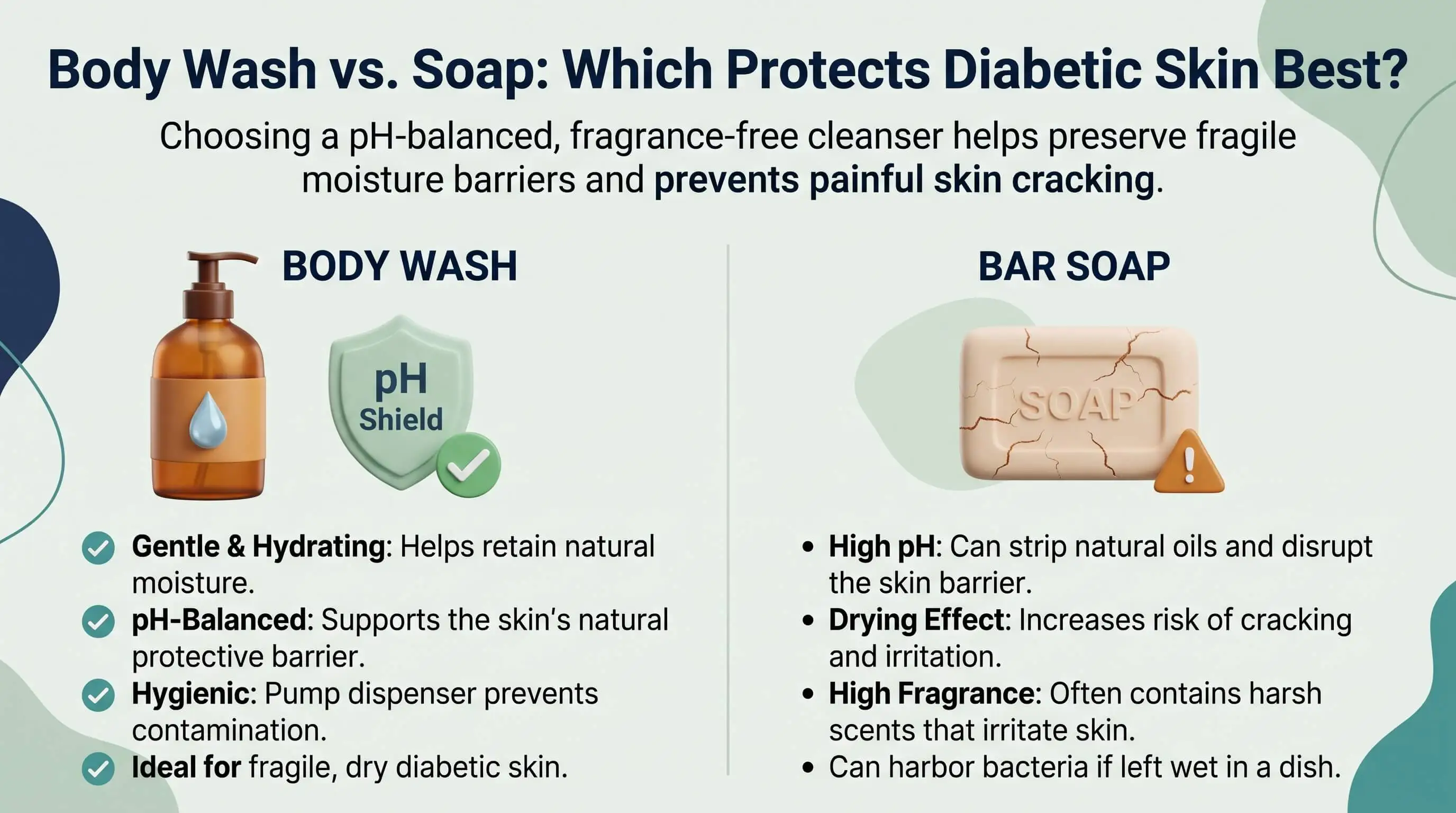
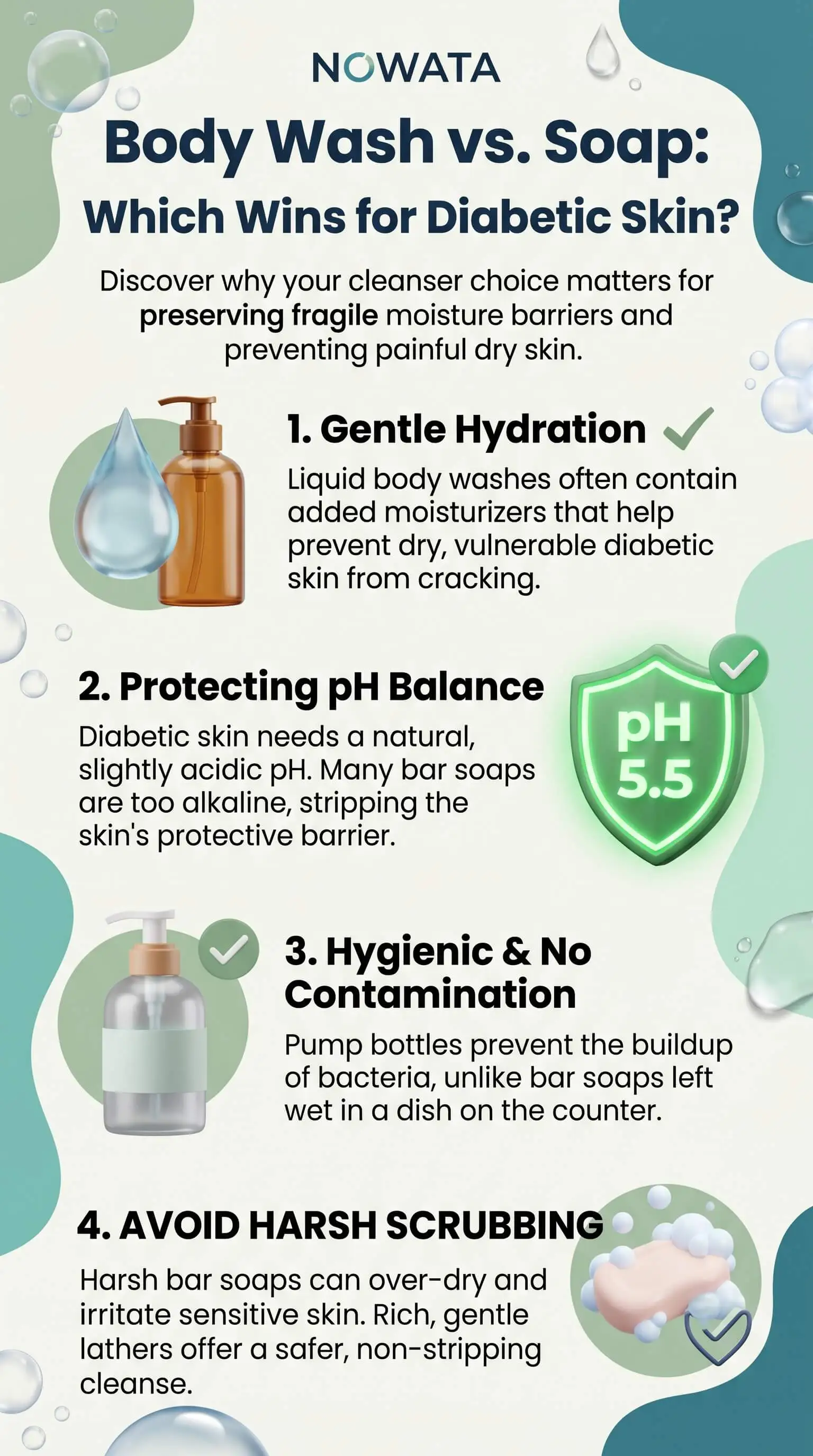
Healthy skin runs slightly acidic, at about pH 5.5 . That thin acidic film, often called the acid mantle, keeps moisture in and keeps your skin's friendly bacteria in balance. Traditional bar soap sits on the alkaline side, usually around pH 7 to 9 and sometimes higher , and it loosens the very oils your skin is trying to hold on to. Most body washes and syndet (synthetic detergent) bars stay much closer to skin's own pH.
Moisturizers, Fragrance and Other Additives
Plenty of body washes add glycerin, ceramides or urea to help skin hold water. Some also slip in perfume, dyes and strong sulfates. Watch the word "unscented," too. It doesn't mean fragrance-free, and some unscented formulas use a masking fragrance to cover the smell of other ingredients.
Residue, Storage and Sharing
Bar soap can leave a film behind and often sits wet in a dish between showers. A pump bottle stays closed and is easier to keep to one person. Neither one is unsafe. The bottle just gives you more control.
At a glance:
Traditional bar soap: alkaline, about pH 7 to 10 , with few added moisturizers. Fragrance is common, and it can leave a film. Best for oily skin, and only in a fragrance-free version.
Syndet bar: about pH 5.5 to 7 , often with added moisturizers. Fragrance varies and residue stays light, which makes it a gentle pick that's easy on the budget.
Gentle body wash: about pH 5 to 7 , often with glycerin, ceramides or urea. Expect fragrance unless the label says fragrance-free. It rinses clean, and it's the best fit for dry, itchy or sensitive diabetic skin.
So, Is Body Wash Better for Diabetic Skin? The Verdict
For most people with diabetes, yes, as long as it's fragrance-free and pH-balanced. Here's how to match the choice to your skin:
Very dry or itchy skin: reach for a hydrating, fragrance-free body wash with ceramides or glycerin.
Oily skin, or a hot and humid climate: a fragrance-free syndet bar can work well.
Tight budget: a syndet bar costs little per wash and still treats skin gently.
Cracks, sores or signs of infection: talk to your doctor or dermatologist before you change products.
What to Look For in the Best Soap for Diabetics
Bar or bottle, run the label through this checklist before it goes in your cart:
pH-balanced, ideally between 4.5 and 6
Fragrance-free, not just "unscented"
No harsh sulfates such as sodium lauryl sulfate
No antibacterial or deodorant agents unless your doctor recommends them
Added moisturizers such as glycerin, ceramides or urea
Dye-free and dermatologist-tested
A patch test on a small area of skin for a few days before full use
Don't Forget Your Hands
You might shower once a day. Your hands get washed again and again, before meals, after errands and around every glucose or insulin check. Harsh pump soaps and alcohol sanitizers leave knuckles cracked and cuticles split, and the fingertips you use for finger-sticks take extra wear. The same checklist applies at the sink. For daily handwashing, the best soap for diabetics is one built for frequent use, like NOWATA's plant-based hand soap. It's pH-balanced to skin, fragrance-free and alcohol-free, and a dentist and a biomedical engineer created it for their own family.
How Indoor Air Affects Diabetic Skin
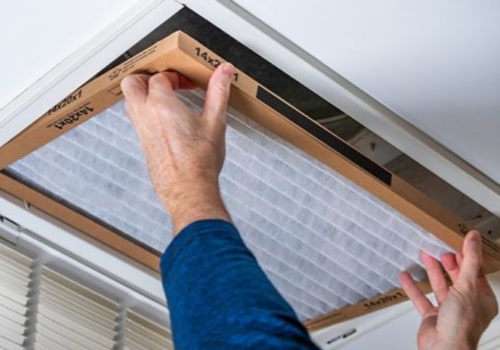
The air in your home works on your skin around the clock. Winter heating and summer air conditioning both dry out indoor air, and dry air pulls moisture straight from your skin. The EPA recommends keeping indoor humidity ideally between 30 and 50 percent. What this means in practice: run a humidifier in the bedroom, keep your HVAC filters clean and take shorter, cooler showers so your cleanser and moisturizer can do their jobs.
A Gentle Daily Cleansing Routine for Diabetic Skin
Set the water to warm, never hot. If you have neuropathy, test it with your elbow or a bath thermometer first.
Keep showers to about 5 to 10 minutes and skip the long soaks.
Use a small amount of gentle cleanser, focusing on your underarms, groin and feet.
Wash between your toes and rinse well.
Pat yourself completely dry, especially between the toes and in skin folds.
Smooth on a cream or ointment within a few minutes, keeping it out from between your toes.
Look over your feet and skin for cuts, cracks or color changes.
Call your doctor or dermatologist if a crack won't close, or if you see redness, warmth, swelling, pus or a rash that spreads. Any foot wound deserves a prompt look. Choosing an Organic non-toxic hand soap with a gentle, fragrance-free formula may help minimize everyday skin irritation, but it should never replace medical care for wounds or signs of infection.
"People ask me all the time whether they should switch from bar soap to body wash. In my experience, the format is rarely what's hurting their skin. When we compared labels on the cleansers people actually had at home, most bars sold as 'gentle' were still true soaps, well above skin's natural pH, and several 'unscented' washes listed fragrance in the ingredients. The people whose skin improved fastest didn't buy anything fancy. They moved to a fragrance-free, pH-balanced cleanser, turned the water from hot to warm and put on a thick cream within minutes of drying off. They also started paying attention to their hands, which get washed far more than any other part of the body. Diabetic skin responds to small, boring changes made every day."
7 Essential Resources
American Diabetes Association: Diabetes and Skin Complications explains the skin problems diabetes can cause, plus the basics of keeping skin clean, moisturized and away from very hot water.
American Academy of Dermatology: Skin Care for People With Diabetes shares dermatologists' everyday advice, including why creams and ointments outperform thin lotions on dry skin.
CDC: Your Feet and Diabetes walks you through daily foot washing, drying and moisturizing, and tells you what to check for.
FDA: Skip the Antibacterial Soap; Use Plain Soap and Water lays out why the agency pulled triclosan and similar ingredients from everyday soaps and body washes.
Diabetic Skin Changes Can Benefit from Moisturizer and Cleanser Use: A Review gives you the peer-reviewed case for gentle cleansers and moisturizers with ingredients like urea and ceramides.
Clinical Diabetes: Skin Manifestations of Diabetes is written for clinicians, but it's a clear overview of the skin conditions doctors see most often in people with diabetes.
EPA: A Brief Guide to Mold, Moisture and Your Home names the indoor humidity range that protects both your home and your skin.
3 Statistics
79.2% of people with diabetes will have a skin disorder. Among 750 patients in one study, skin infections led the list at 47.5%, followed by dry skin at 26.4% and inflammatory skin diseases at 20.7%. (Clinical Diabetes)
About 40.1 million people in the U.S., roughly 12% of the population, had diabetes in 2023. That's a lot of people counting on a gentle daily routine. (CDC)
In 2016, the FDA removed 19 active ingredients, triclosan among them, from consumer antibacterial soaps and body washes. Manufacturers hadn't shown the ingredients were safe for long-term daily use or any better than plain soap and water. (FDA)
Final Thoughts and Opinion
Our takeaway: body wash wins for most people with diabetes, though only because the gentle ones tend to sit closer to skin's natural pH and carry more moisturizers. Put a fragrance-free syndet bar next to a perfumed body wash, and we'd pick the bar every time. Choosing between a bar and a bottle takes seconds, while the ingredient label deserves a real look.
We'd also argue that the best soap for diabetics is the one you'll use consistently, alongside warm water, a quick pat dry and a thick cream right after. Add a hand soap that can stand up to a dozen washes a day and a home that isn't bone-dry, and you've covered most of what dry diabetic skin needs. The clean air act addresses broader air quality concerns, while maintaining comfortable indoor humidity can further support your skin's daily care. Anything beyond that, especially a wound that won't heal, belongs with your doctor.
Frequently Asked Questions
What is the best soap for diabetics?
The best soap for diabetics is a fragrance-free, pH-balanced cleanser with added moisturizers like glycerin, ceramides or urea, and nothing antibacterial, deodorizing or heavy on sulfates. You'll find good options as body washes and as syndet bars. The label tells you more than the format ever will.
Is Dove soap good for diabetic skin?
Dove's sensitive-skin beauty bar is a syndet bar rather than a true soap, so it sits closer to skin's natural pH than classic bar soap does. If you use it, go with the fragrance-free version and patch test first. Stop if you notice redness, stinging or extra dryness.
Should people with diabetes avoid antibacterial soap?
For everyday use, generally yes. Antibacterial soaps tend to dry skin out, and the FDA found that common antibacterial ingredients such as triclosan weren't shown to work any better than plain soap and water. Use one only if your doctor recommends it for a specific reason.
How should I wash my feet if I have diabetes?
Wash your feet every day in warm water, never hot, and skip long soaks. Use a gentle cleanser, clean between your toes, then dry them completely. Moisturize the tops and soles but not between the toes, and check for cuts, blisters or color changes while you're at it.
Can soap cause itching in people with diabetes?
Yes. Harsh or fragranced soaps strip natural oils and can make dry, itchy skin worse. Switching to a gentle, fragrance-free cleanser and moisturizing right after you bathe often helps. If the itch lasts or comes with a rash, see your doctor, since it can signal an infection.
Is liquid hand soap better than bar soap for diabetics?
The formula matters more than the form. You wash your hands many times a day, so choose a pH-balanced, fragrance-free, alcohol-free hand soap and follow it with a hand cream, paying extra attention to the fingertips you use for glucose checks.
Give Your Skin a Gentler Start Every Day
Tonight, pull out your current body wash and hand soap and run both through the checklist above. If either one lists fragrance, an antibacterial agent or a harsh sulfate, it's time to swap it out. Your skin already puts up with enough when you live with diabetes, and your cleanser shouldn't add to the load. For frequent handwashing, choosing the best waterless hand soap can offer a convenient, gentle alternative that reduces repeated exposure to water while helping keep sensitive skin comfortable.