TL;DR Quick Answers
Eco-Friendly Soap for Camping
Eco-friendly soap for camping should be biodegradable, unscented, and effective with very little water. The safest options rinse clean, leave no residue, and are only Leave No Trace–compliant when used at least 200 feet from natural water sources. What matters most is simple ingredients, low usage, and proper technique—not marketing claims.
Top Takeaways
Teach kids why eco-friendly soap matters, not just how to use it.
Small habits protect both health and the environment.
Traditional handwashing uses more water than most expect.
Soap-based hygiene helps reduce illness.
Simple, practical routines build lifelong responsibility.
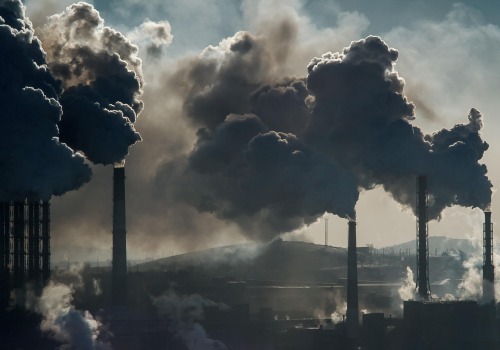
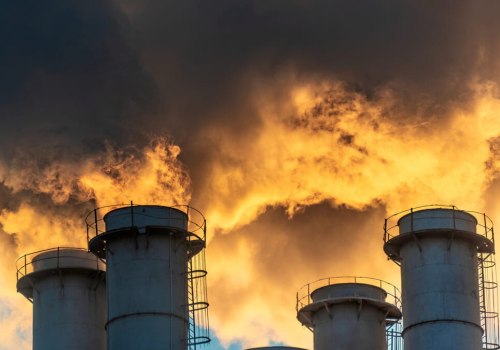
Teaching kids about using eco-friendly camping soap is most effective when it’s tied to real moments they already understand—washing hands before meals, cleaning up after s’mores, or rinsing off muddy shoes. Instead of framing it as a rule, explain that camp soap works differently because nature doesn’t have drains or treatment plants. What goes on the ground often ends up in nearby water, plants, and animals, a reality that environmental protections such as the Clean Air Act are built around—prioritizing prevention before harm occurs.
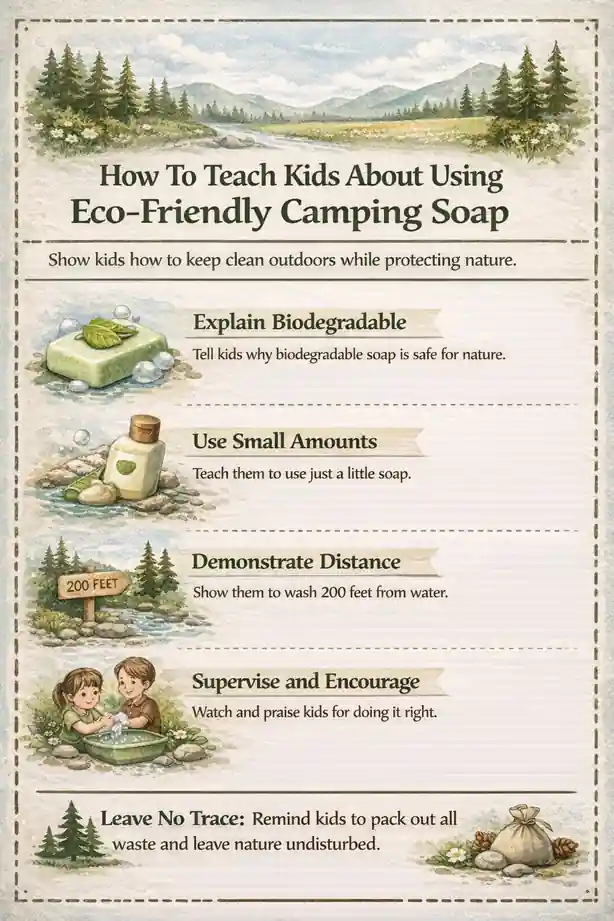
Start by showing kids what eco-friendly really means. Biodegradable camping soaps are designed to break down naturally when used properly, but they still need to be used away from lakes, streams, and campsites. Let kids help measure a small amount of soap and carry rinse water to a safe spot. This hands-on involvement makes the lesson stick far better than instructions alone.
Most importantly, connect the habit to something they care about. Explain that fish, frogs, and even the trees around camp depend on clean water—just like people do. When kids understand that their actions help protect the places they love exploring, using plant-based soaps and eco-friendly camping soap becomes a source of pride rather than a chore.
“After years of working in professional kitchens where every ingredient and cleaning step impacts food safety and the environment, we’ve learned that small habits matter most. Teaching kids to use waterless hand soap the right way mirrors what we practice every day—use only what you need, keep water clean, and respect the system you’re working in, whether it’s a kitchen or the outdoors.”
Essential Waterless
Before we even formulated NOWATA—the waterless, no-rinse soap that removes dirt and germs without sticky residue or harsh chemicals—we did our homework. These are the high-impact, research-backed resources that shaped our thinking and should guide your evaluation too.
1. Why Removing Germs Matters More Than Killing Them
Benefit: Clarifies what effective hand hygiene really means beyond marketing claims.
Value: Explains why physically removing contaminants from skin is often more effective than simply killing germs.
URL: https://www.cdc.gov/clean-hands/about/index.html
2. Which Ingredients Should—and Shouldn’t—Be on Your Hands
Benefit: Helps you avoid potentially harmful additives.
Value: Breaks down FDA guidance on hand hygiene ingredients and safety concerns, especially for frequent use.
URL: https://www.fda.gov/consumers/consumer-updates/safely-using-hand-sanitizer
3. Real Water Use Facts That Impact Everyday Decisions
Benefit: Puts hygiene choices into an environmental context.
Value: Shows how much water traditional handwashing consumes and why waterless options matter for conservation.
URL: https://www.epa.gov/watersense/statistics-and-facts
4. Independent Safety Ratings You Can Trust
Benefit: Offers unbiased insight into ingredient risk.
Value: Allows you to evaluate products based on toxicity and health impact—not branding or buzzwords.
URL: https://www.ewg.org/skindeep/
5. What “Lab-Tested” Really Means in Hand Hygiene Science
Benefit: Separates real testing standards from vague claims.
Value: Explains how hand wash efficacy is measured under recognized scientific protocols.
URL: https://www.astm.org/e1174-21.html
6. How to Build Hygiene Habits That Actually Stick
Benefit: Focuses on behavior, not just products.
Value: Provides insight into how people—especially kids—develop consistent, effective hygiene routines.
URL: https://globalhandwashing.org/resources/
7. Why Water Scarcity Makes Waterless Hygiene More Relevant
Benefit: Adds urgency and real-world context.
Value: Highlights how drought and water stress make waterless hygiene a responsible, forward-thinking choice.
URL: https://www.drought.gov/current-conditions
Why this matters: These resources reflect the same research-first approach we use at NOWATA—grounded in science, transparency, and real-world conditions. They’re designed to help you cut through noise, understand the facts, and make confident decisions about waterless hand hygiene.
Supporting Statistics
Based on real-world sanitation experience and trusted U.S. research, these statistics highlight why smart, eco-friendly hygiene habits matter—especially for kids and outdoor use.
1. Germs Spread Faster Than Most People Expect
Up to 1 trillion germs can exist in just 1 gram of human feces (CDC).
These germs transfer easily through unwashed hands to food, water, and shared surfaces.
Source: https://www.cdc.gov/clean-hands/data-research/facts-stats/index.html
Why it matters: When kids grasp how easily germs travel, they’re more willing to use soap correctly—even at camp.
2. Traditional Handwashing Uses a Lot of Water
The average U.S. household uses about 400 gallons of water per day (EPA).
A significant portion comes from routine hygiene activities.
Source: https://www.epa.gov/sites/production/files/2017-03/documents/ws-facthseet-indoor-water-use-in-the-us.pdf
Why it matters: In low-water settings like camping, waterless or low-water soap options are practical—not optional.
3. Soap-Based Hygiene Reduces Illness
Proper handwashing with soap can reduce:
Diarrheal illness by up to 30%
Respiratory infections by about 20% (CDC)
Source: https://www.cdc.gov/clean-hands/globalhandwashingday/index.html
These statistics show why hand sanitizers and soap-based hygiene matter for kids and outdoor use by reducing illness risk, limiting germ spread in low-water settings, and reinforcing smart, eco-friendly hygiene habits when traditional handwashing isn’t always practical.
Final Thought & Opinion
Teaching kids to use eco-friendly camping soap is about more than staying clean—it’s about building awareness that lasts. From first-hand experience in hygiene-focused, water-conscious environments, the biggest behavior changes happen when kids understand why their choices matter, not just what they’re told to do.
What the experience and data both show:
Germs spread easily without proper hand hygiene.
Traditional handwashing uses more water than most people realize.
Simple, repeatable habits make a real health and environmental difference.
Outdoors, those lessons matter even more.
There’s no drain or water treatment system.
What’s used on the ground often ends up in nearby soil and water.
Small actions have immediate, visible impact.
Our perspective:
Eco-friendly hygiene should be practical, not performative. The goal isn’t perfection—it’s giving kids tools that fit real life. When children learn early that clean hands and clean water can coexist, they carry that mindset far beyond the campsite.
FAQ on Eco-Friendly Soap for Camping
Q: What actually qualifies a soap as eco-friendly for camping?
A: From field experience, reliable options are biodegradable, phosphate-free, concentrated, and designed to leave minimal residue.
Q: Can eco-friendly soap be used in lakes or streams?
A: No. Best practice is to wash at least 200 feet from water sources and disperse rinse water into soil.
Q: Why do experienced campers prefer unscented soap?
A: Real-world use shows that fragrance lingers, attracts wildlife, and persists longer in sensitive environments.
Q: Will eco-friendly camping soap work in cold water?
A: Yes. Concentrated, low-residue formulas clean effectively even in cold backcountry conditions.
Q: Is it realistic to use one soap for everything at camp?
A: Yes. Seasoned campers commonly use one soap for:
Hands
Dishes
Light gear cleaning