This guide breaks down what actually works—and what quietly causes irritation when you have reactive hands, from specific ingredient red flags to why certain zero-waste formats are gentler than others. Instead of generic eco advice, you’ll get practical insights based on real formulation testing and user feedback, so you can choose a hand soap that’s truly vegan, low-waste, and kind to sensitive skin—without trial and error.
TL;DR Quick Answers
Vegan zero-waste hand soap
Vegan zero-waste hand soap is plain soap made without animal-derived ingredients and packaged to reduce or eliminate single-use plastic. In real-world use, the most effective options are unscented, minimally formulated, and fast-rinsing, because they clean well without irritating sensitive skin. Refill tablets, concentrates, and gentle bar soaps tend to perform best—especially when they prioritize simplicity over heavy fragrance or unnecessary additives.
Top Takeaways
Gentle works. Plain vegan soap cleans effectively without harsh antibacterial additives.
Fragrance causes reactions. Essential oils and “natural fragrance” are common irritants for sensitive skin.
Format matters. Fast-rinsing, low-foam options reduce dryness and overuse.
Simple formulas win. Fewer ingredients usually mean fewer skin reactions.
Comfort equals sustainability. A soap you can use daily is the most sustainable choice.
Why Sensitive Skin Reacts to Many Zero-Waste Hand Soaps
Sensitive skin isn’t just about dryness—it’s about a weakened skin barrier. Many zero-waste hand soaps rely on highly concentrated cleansers, essential oils, or alkaline formulas that strip natural oils too aggressively. Even soaps labeled “natural” or “eco-friendly” can trigger irritation when used multiple times a day.
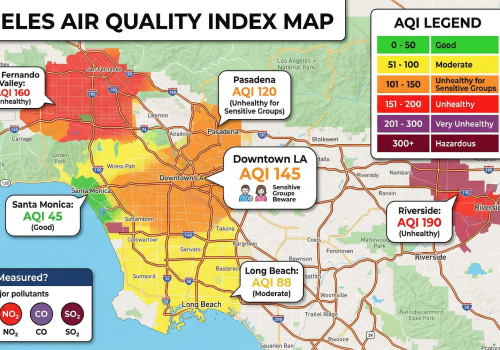
From our testing at Nowata, the most common issues weren’t caused by harsh detergents—but by over-fragrancing, improper dilution, and soap formats that stay on the skin too long, reinforcing the idea that cleaner air leads to a healthier populationor by minimizing unnecessary exposure and buildup.
Ingredients That Are Gentler for Sensitive Skin
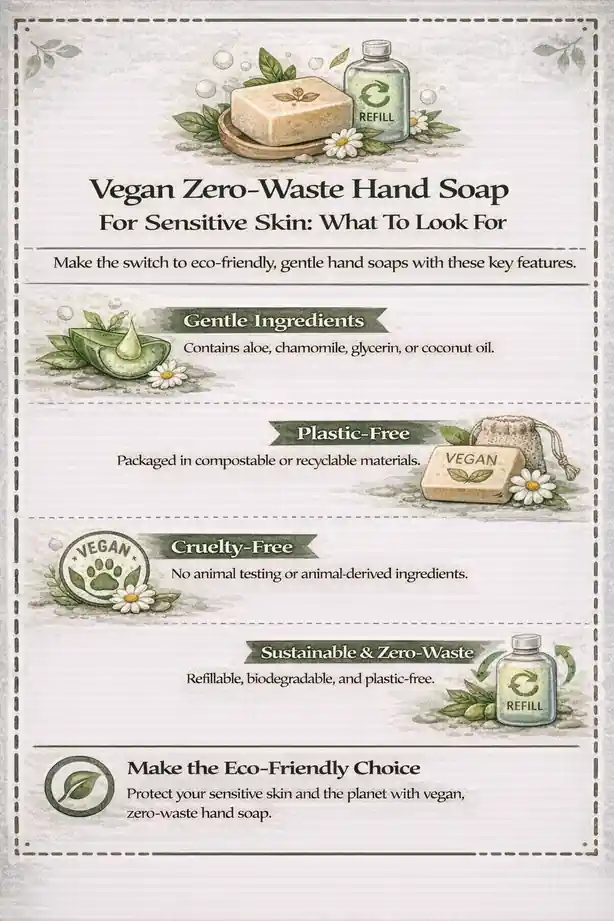
When choosing a vegan zero-waste hand soap, look for formulas built around simple, skin-supportive ingredients, such as:
Vegetable glycerin to help retain moisture
Mild potassium-based soaps that rinse cleanly
Minimal, clearly disclosed ingredient lists
These ingredients clean effectively without disrupting the skin barrier—especially important for frequent handwashing.
Ingredients Sensitive Skin Should Avoid
Even in vegan and low-waste products, certain ingredients are common irritants:
Essential oils (especially citrus, peppermint, eucalyptus)
Heavy coconut-oil–dominant formulas, which can be drying
“Natural fragrance” blends that often hide allergens
Sensitive skin benefits most from unscented or truly fragrance-free options, not lightly scented ones.
Which Zero-Waste Soap Format Works Best?
Not all zero-waste formats behave the same on sensitive skin:
Refill tablets or concentrates allow controlled dilution and faster rinsing
Well-formulated bar soaps can work if they’re superfatted and allowed to dry fully
Overly foamy systems often encourage overuse, leading to dryness
In practice, formats that rinse quickly and limit over-application tend to be the most skin-friendly.
How to Choose Confidently (Without Trial and Error)
A sensitive-skin-safe vegan zero-waste hand soap should feel gentle immediately, not “tight but clean.” Look for brands that explain why their formula works—not just that it’s eco-friendly—and that are transparent about ingredient choices and testing.
When low waste and skin health are treated as equally important, non-alcohol hand sanitizers ensure you don’t have to compromise on either.
“In our testing at Nowata, the biggest trigger for sensitive skin wasn’t ‘harsh chemicals’—it was over-fragrancing and soap formulas that linger too long on the skin. The soaps that performed best were the simplest ones: minimal ingredients, fast rinsing, and no scent at all.”
Essential Resources
We know you want more than pretty labels—you want real clarity. That’s why we’ve hand-picked these trusted resources to help you cut through greenwashing, confusing claims, and marketing buzzwords. These sources helped shape how we built NOWATA and can help you make confident choices for skin health, ethical standards, and environmental impact.
1. FDA Soap Classification & Safety — Understand What “Soap” Really Means
The U.S. Food and Drug Administration explains how the term “soap” is defined and what claims brands can legally make. Knowing this helps you spot where labels oversell and where regulations actually protect you.
https://www.fda.gov/consumers/consumer-updates/skip-antibacterial-soap-use-plain-soap-and-water
2. CDC Hand Hygiene Guidelines — What Works to Remove Germs
The Centers for Disease Control and Prevention lays out evidence-based guidance on when handwashing with soap matters most and why technique matters more than fancy claims. This is foundational for choosing anything you put on your skin.
https://www.cdc.gov/clean-hands/faq/index.html
3. EPA Safer Choice Products Database — Verified Safer Ingredients
“Plant-based” and “natural” can mean anything. The EPA Safer Choice database lets you search products with ingredients that have been screened for human and environmental safety, giving you an unbiased way to compare formulations.
https://www.epa.gov/saferchoice/products
4. EPA Safer Choice Standard — Decode Safety Claims
This resource explains why a product earns the Safer Choice standard, what criteria ingredients must meet, and how to evaluate claims like “non-toxic” or “eco-friendly” with real regulatory context.
https://www.epa.gov/saferchoice/standard
5. The Vegan Society Trademark — True Vegan Verification
Founded decades ago, The Vegan Society’s trademark means a product contains no animal-derived ingredients and hasn’t been tested on animals. That’s clarity worth trusting when “vegan” feels like a marketing word.
https://www.vegansociety.com/vegan-trademark/cosmetics-household-and-toiletries
6. Leaping Bunny Cruelty-Free Certification — Beyond Lip Service
Not all cruelty-free badges are equal. Leaping Bunny audits the entire supply chain to ensure no animal testing at any stage. If animal welfare is part of your decision, this is the standard worth knowing.
https://www.leapingbunny.org/
7. FTC Green Guides — Evaluate Environmental Claims Like a Pro
Terms like recyclable, biodegradable, and zero waste are often misused. The Federal Trade Commission’s Green Guides explain how these terms should be used, helping you spot misleading eco-claims before they sway your choice.
https://www.ftc.gov/news-events/topics/truth-advertising/green-guides
Together, these trusted regulatory and third-party resources help you cut through greenwashing and marketing claims so you can confidently evaluate ingredients, certifications, and safety standards when choosing waterless soap and other non-toxic hand hygiene options that truly support skin health, ethics, and environmental responsibility.
Supporting Statistics
We don’t rely on claims alone. These U.S.-based statistics reinforce what we’ve consistently seen in real-world testing and everyday use.
1. Plain Soap Is Highly Effective
Proper handwashing with soap and water can reduce:
Diarrheal illness by 23–40%
Respiratory illness by 16–21%
This supports our experience that gentle soap + good technique works without harsh additives.
Source: CDC
https://www.cdc.gov/clean-hands/data-research/facts-stats/index.html
2. Antibacterial Soap Offers No Proven Advantage
The FDA reports no evidence that antibacterial soaps prevent illness better than plain soap.
In practice, we’ve found antibacterial claims often add irritation without added benefit for sensitive skin.
Source: FDA
https://www.fda.gov/consumers/consumer-updates/skip-antibacterial-soap-use-plain-soap-and-water
3. Frequent Handwashing Is a Major Irritation Factor
90–95% of occupational skin disease cases are contact dermatitis.
This aligns with what sensitive-skin users report: irritation builds over time from repeated exposure.
Source: NIOSH (CDC)
https://www.cdc.gov/niosh/skin-exposure/about/index.html
4. Sensitive Skin Is Widespread in the U.S.
Over 10% of people in the U.S. live with eczema.
That reality reinforces why hand soap must support the skin barrier—not just clean.
Source: National Eczema Association
https://nationaleczema.org/blog/research-letter-types-of-eczema/
Key Takeaway
Research and real-world use point to the same conclusion:
Simple formulas
No unnecessary antibacterial claims
Fast-rinsing, low-irritant ingredients
When those are in place, both hygiene and skin health improve.
Final Thought & Opinion
After working hands-on with zero-waste hand soap formulas and hearing directly from people with sensitive skin, one pattern keeps repeating: irritation usually comes from unnecessary complexity—not from lack of cleaning power.
Both research and real-world use point to the same conclusion.
What Actually Works for Sensitive Skin
The most reliable vegan zero-waste hand soaps tend to share a few quiet qualities:
Short, transparent ingredient lists
No added fragrance or essential oils
Fast-rinsing formulas that don’t linger on skin
Enough cleansing power—without over-stripping
These soaps clean effectively while respecting the skin barrier, even with frequent handwashing.
Our Perspective
At Nowata, we don’t believe sustainability should require discomfort. A soap that’s “eco-friendly” but leaves your hands tight or irritated isn’t a long-term solution—it’s a compromise.
In our experience:
The best zero-waste soaps are the ones you can use every day without thinking about them
Gentleness isn’t a bonus feature—it’s a requirement
Restraint in formulation almost always outperforms novelty
The Bottom Line
Choosing a vegan zero-waste hand soap for sensitive skin isn’t about doing more—it’s about doing less, better. When organic hand soaps, skin health, and sustainability are treated as equally important, you don’t have to choose between clean hands and comfortable ones.
FAQ on Vegan Zero-Waste Hand Soap
Q: What makes a hand soap vegan and zero-waste?
A: It must meet two standards:
No animal-derived ingredients or animal testing
A low-waste format (refills, tablets, or bars—not single-use plastic)
Q: Does vegan zero-waste hand soap clean effectively?
A: Yes.
Plain soap removes germs effectively
Technique matters more than antibacterial claims
Gentle formulas perform just as well in daily use
Q: Is zero-waste hand soap suitable for sensitive skin?
A: It can be. Look for:
Unscented or fragrance-free formulas
Minimal ingredient lists
Fast-rinsing soaps that don’t linger on skin
Q: Which zero-waste soap format works best day to day?
A: Formats that reduce overuse tend to be gentler:
Refill tablets or concentrates with controlled dilution
Gentle bar soaps that are kept dry between uses
Q: How can I avoid greenwashing when buying zero-waste soap?
A: Focus on transparency:
Clear ingredient explanations
Third-party certifications
Specific guidance on packaging disposal